Partial Denture To Restore Chewing Function
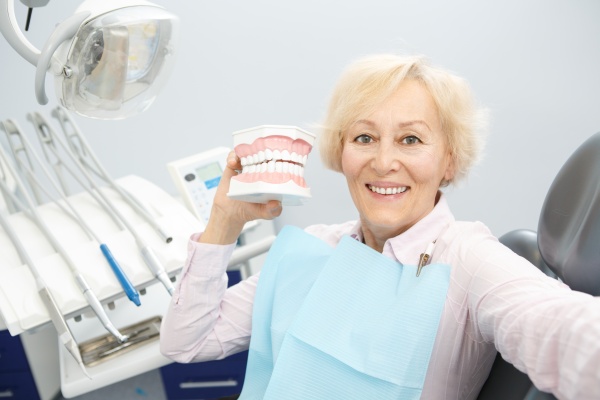
One of the procedures that can be used to effectively get your smile back to its best is a partial denture. It can help restore the ability to chew and eat normally again with a much more aesthetically pleasing look.
If you have ever had a tooth become damaged or severely decayed, then you probably know the panic that can come to mind when something as small as lunch comes up. Fortunately, partial dentures can help, and this article will provide information about them.
So what are partial dentures?
The main difference between a full denture and a partial is how the partial denture has a seamless way they blend the natural and false teeth. They work their best for the comfort and appeal of the client. What exactly are partial dentures though?
A denture is usually thought of having every tooth removed and to be replaced something old, false and fake looking. However, with a partial denture, you can keep all the healthy teeth while cleaning out any teeth that have been claimed by either removal or loss through more natural causes, like tooth decay due to insufficient care. Either way, with the use of a partial denture you can get the most natural feel and look! Not only will your smile be back to how it used to look, but it will also be exactly like, if not better than, the teeth you had before. The denture fits with the seamlessness of a well-oiled machine using the structure of the natural smile and fitting in a very natural-looking unit.
The way this works is through the installment of a bridge in the top of spacers that are put on either side of the gap. The unit now has the ability to move in and out of place, giving the client more freedom and comfort than a full denture could offer. The gaps and bridge ensure that there will be no shifting of the teeth, and the spacers ensure that you can have the comfort in the knowledge that the partial denture is detachable.
How does your oral health affect your life?
Many will brush off the idea of getting their teeth fixed. Most think it will be too long or expensive a process. Although when it comes to dental health, the rule of trade is: It is best to take care of something sooner rather than later.
The way the mouth and the brain are intertwined is quite interesting! When a rotten or decayed tooth hinders the chewing function, it can also lead to much worse problems down the road, causing things even as bad as brain infection.
With the use of a partial denture, you can get your smile back with the added bonus of your chewing function fully restored!
Conclusion
If you have missing teeth that need to be replaced, then contact us today for more information on replacing them. Partial dentures may be just what you need. If not, then we will help guide you to your perfect smile.
Request an appointment here: http://dentistinsanclemente.com or call Nina Basti DDS at (949) 201-4719 for an appointment in our San Clemente office.
Check out what others are saying about our services on Yelp: Read our Yelp reviews.
Recent Posts
Finding a high-quality dentist near me is the first step toward maintaining a healthy smile. This trusted professional can help ensure that you always have access to oral care services in the San Clemente area. If you are currently searching for a reliable provider, the following guide provides a strategic selection process to help you…
Considering Invisalign® after a tooth relapse? In orthodontics, a tooth relapse occurs when the teeth go back to being crooked after braces treatment. When this happens, it can be easy to want to just ignore it and move on; however, oral health and hygiene are both put back at risk when the teeth are crooked.…
If you are thinking of getting braces and do not want to feel self-conscious about wearing them, consider clear braces. These braces are less noticeable. Many people opt for them because they are better-looking, comfortable and can give patients a straight smile. Investing in clear braces is definitely worth it.With traditional braces, the brackets are…
A cosmetic dentist often hears concerns about whitening discomfort and can explain why sensitivity sometimes increases during treatment. Whitening products lift stains by allowing active ingredients to move through enamel, which can temporarily irritate the tooth's inner structures. Understanding what causes sensitivity and how to reduce it helps patients pursue a brighter smile more comfortably.Whitening…