What to Know About the Dental Crown Process
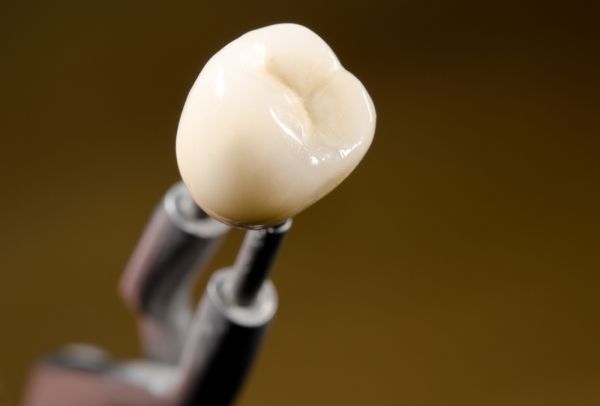
A dental crown is a protective cap a dentist places on the tooth to either mask physical impairments and improve its aesthetics or protect and restore the tooth’s function after significant structural damages. The process of getting a dental crown is simple, but there may be certain adjustments based on the patient’s preferences.
Getting a dental crown
Before getting a dental crown, the dentist will examine the teeth to know if a crown is necessary. Sometimes a tooth may be overly damaged to hold a crown. In other cases, additional treatment such a root canal may be required first.
During the initial consultation, the dentist will allow the patient to choose from different dental crown materials – typically metal, ceramic, amalgam, zirconia, porcelain-fused metal, and composite resin. All these materials have their advantages and drawbacks.
Placing the crown
The first process is to prepare the tooth for a crown. The dentist will start by numbing the tooth and surrounding tissues. This is not often needed, especially if the tooth has undergone a root canal to remove the nerves, but it makes the treatment more comfortable.
After applying local anesthesia, the dentist will use gingival retraction chords to separate the gums from the tooth. This is to prevent damages to the gum and allow them to trim the tooth enough. After using the retraction chords, the dental expert will start shaving down the tooth. The reason is that crowns are usually thick to ensure strength. The type of material to be used will determine how much trimming will be done on the teeth. Metal crowns are slightly thinner than porcelain crowns, which means less trimming is required.
The trimming will ensure that the crown fits appropriately. Often, they may need to build up the teeth, especially in cases of severe decay. The dentist will apply a filling material to ensure the tooth has enough structure to support the crown.
Taking an impression
After shaving down the tooth, the dentist will take an impression of the upper and lower teeth. This impression, along with the preferred color, will be forwarded to the dental lab where the lab technician will create the crown. The dentist may also use optical impression, where a camera will be used to scan the teeth to obtain digital information to produce a 3D dental crown.
Placing the crown
While the dental lab is making the permanent crown, the dentist will place a temporary crown (usually made from composite resin or metal) over the teeth to protect the area. The temporary crown is less strong and will be removed as soon as the permanent crown is ready.
Making a permanent crown takes about 10 days, after which the patient will return to the dental office. The dentist will remove the temporary crown and check the fit of the permanent crown. They will place the crown on the tooth and make any necessary adjustment until the fit is perfect. After that, the dentist will cement the crown into place.
Final note
Mild discomfort is common after getting a dental crown, but that should disappear in no time. If any issue arises, inform your dentist immediately.
Request an appointment here: http://dentistinsanclemente.com or call Nina Basti DDS at (949) 201-4719 for an appointment in our San Clemente office.
Check out what others are saying about our services on Yelp: Read our Yelp reviews.
Recent Posts
There are benefits to choosing an experienced implant dentist over one who is relatively new in the profession. Dental implants require a more complex process that involves several steps, and choosing the right implant dentist may help make the process more convenient, less invasive, and safer.It is helpful to learn more about dental implants, how…
If you or a loved one has a dental abscess, then you need to visit an emergency dentist as soon as possible to ensure the infection does not spread to the rest of the mouth. A dental abscess causes more than a simple toothache, and delaying care may increase the risk of serious complications. As…
Teeth whitening has become one of the most popular cosmetic dental treatments, and many patients choose at-home options because they offer convenience without sacrificing professional oversight. Unlike over-the-counter products, professionally provided whitening systems combine customized treatment with predictable results. A dentist often recommends the right whitening approach based on each patient's goals, oral health, and…
A dental crown is meant to protect a weak or damaged tooth, so it can feel frustrating if it starts to hurt. Minor sensitivity can be expected as the tooth adjusts to a new crown. However, pain that lasts, gets worse, or starts months later may mean something needs attention.Here are three of the most…